

✓In short: custom stand design and build turn every trade show into a growth lever, in a global market estimated at 51.2 billion
✓According to the CEIR 2025 report (Center for Exhibition Industry Research), 73% of show visitors say their purchasing decisions are directly
✓Whether you're exhibiting at a medical congress in Monaco, an industrial show in Paris or an international event, the quality of your stand directly determines
A fast-growing global market
The global exhibition market was estimated at USD 46.3 billion in 2025 and is expected to reach USD 51.2 billion in 2026, rising to USD 98.5 billion in 2035, at a compound annual growth rate of 7.5% according to a report published by Global Market Insights. This momentum reflects a growing need among companies to create memorable physical experiences.
In 2026, the exhibition stand market is estimated to be on a growth trajectory towards USD 73.98 billion by 2032, with a CAGR of 5.29%, according to Verified Market Research.
This progression is driven by two converging forces: the growing importance of brand visibility and experiential marketing, where stands are no longer seen as mere pieces of furniture, but as immersive narrative environments.
For exhibiting brands, these figures mean one thing: competition on the exhibition floor is intensifying. A generic stand is no longer enough to capture attention in an environment where every square metre is designed to engage the visitor.
Why choose a fully bespoke stand
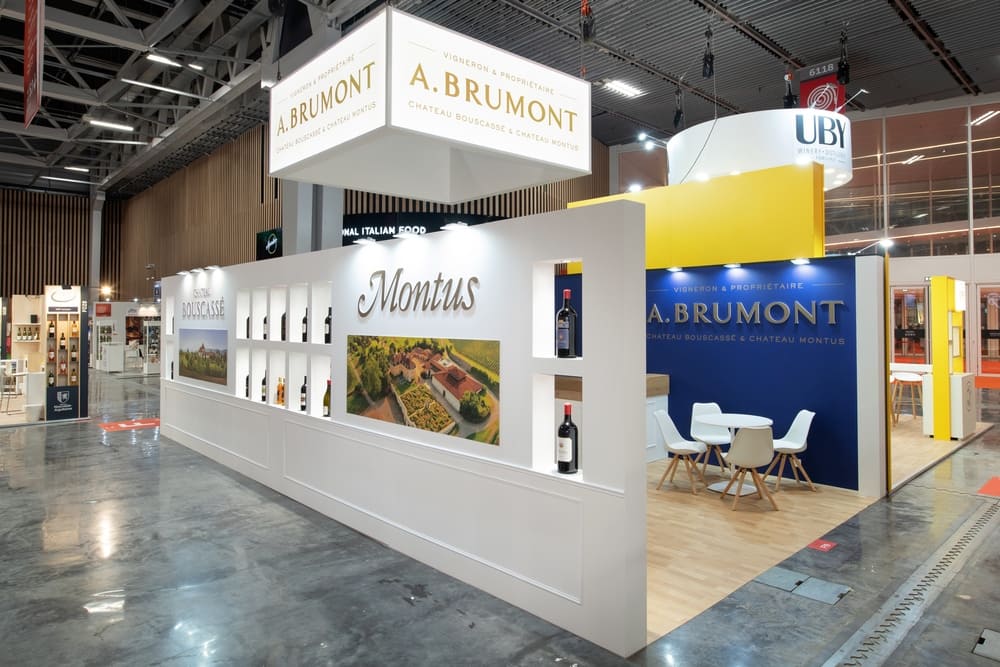
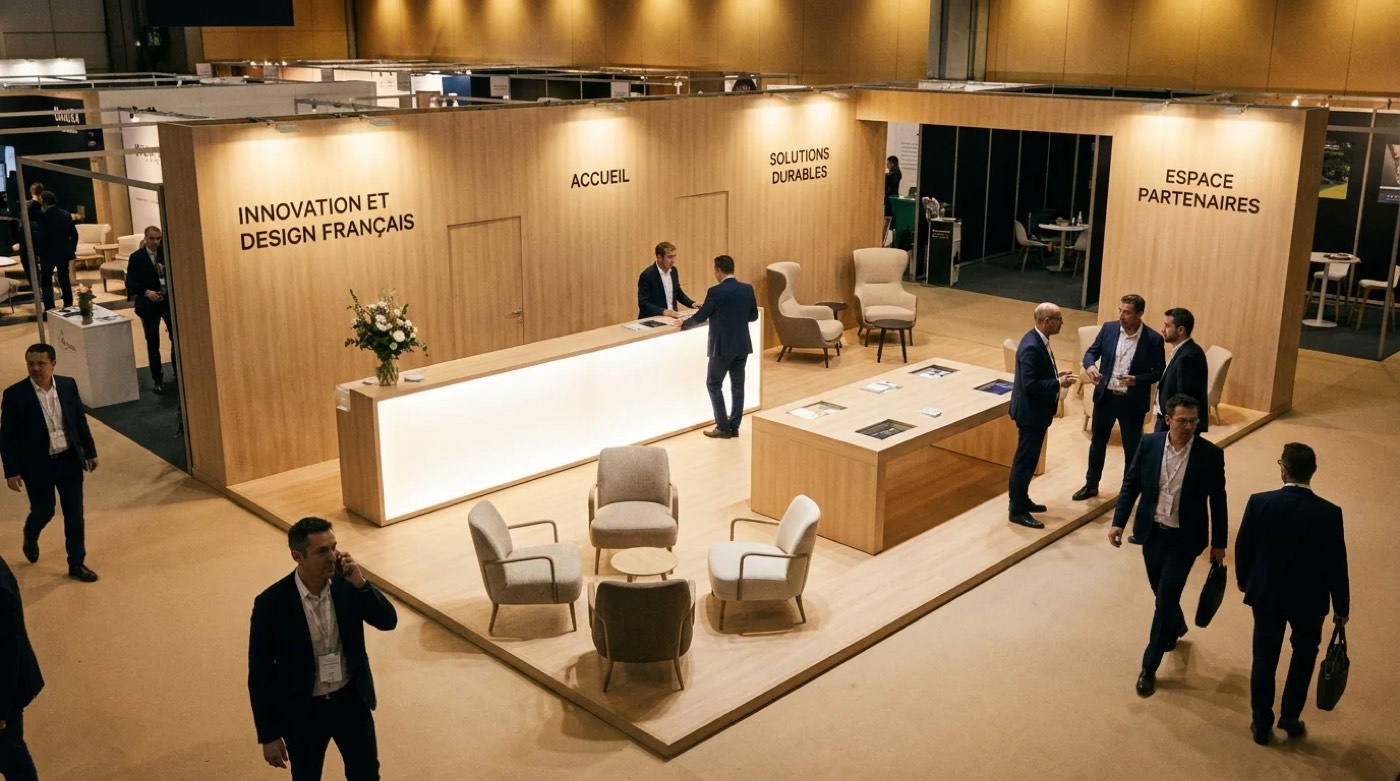
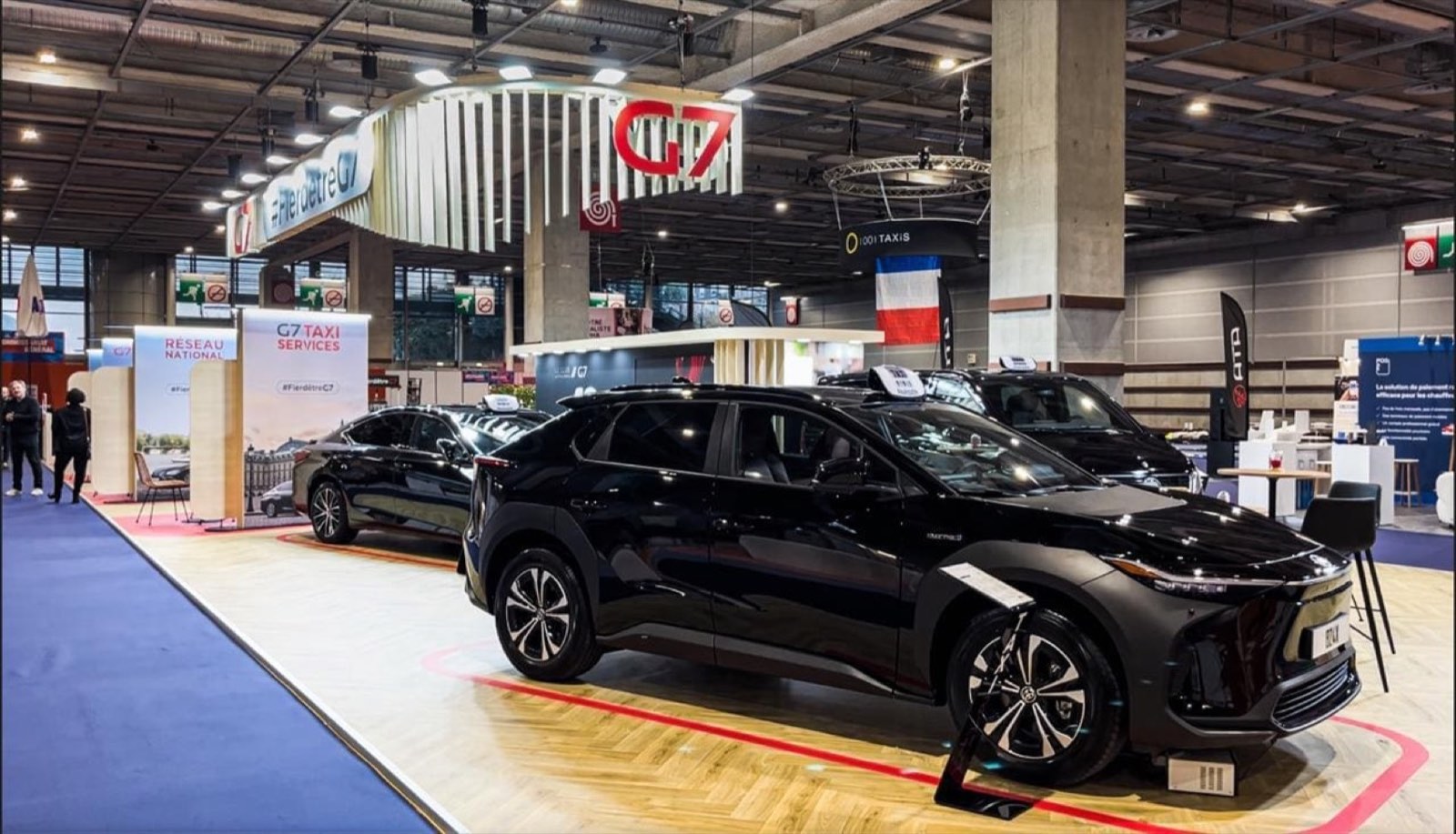
A custom stand is not just an aesthetic choice. It represents a communication strategy in its own right, designed to reflect your company's identity and meet the commercial objectives of each event. Unlike standardised modular solutions, bespoke offers complete creative freedom.
Demand for custom stand build is driven by companies' need to create unique, personalised exhibition experiences that communicate their brand message effectively.
This approach makes it possible to shape the visitor journey, to integrate product demonstration zones, private meeting spaces and points of digital interaction, all within perfect architectural coherence.
The concrete advantages of a stand designed and built to measure are numerous:
Immediate differentiation: your space stands out at first glance in a crowded hall.
Brand consistency: every material, colour and volume conveys your visual identity.
Space optimisation: every square centimetre is used according to your functional needs.
Smart reuse: a well-designed stand can be stored, adapted and redeployed across several events.
If you'd like to explore the specifics of a one-off project, see our dedicated article on the one-shot bespoke stand, designed for high-stakes one-off events.
| Type of stand | Key strengths | Who is it for? |
|---|---|---|
| Trade show stand | Bespoke, strong image | Generating B2B leads |
| Modular stand | Reusable, cost-effective | Regular exhibitors |
| Event stand | Immersive staging | Launches, brand experience |
| Double-decker stand | Doubles the floor area | Large shows, limited space |
The key stages from design to build
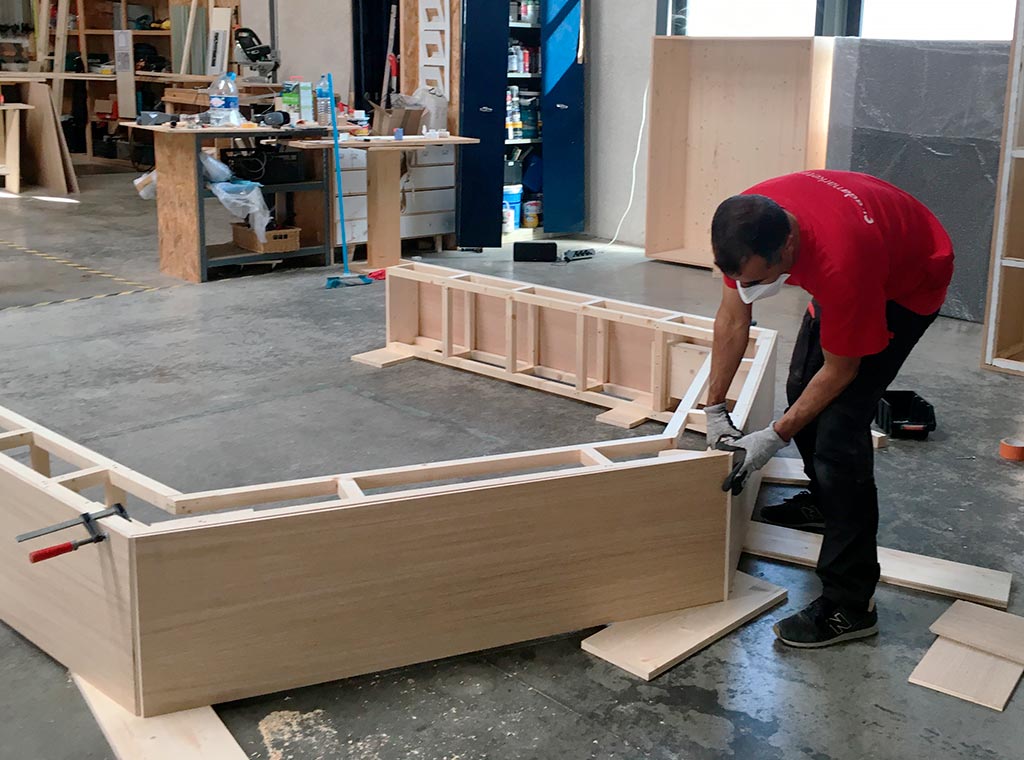
Creating a bespoke exhibition stand follows a structured process, where each phase shapes the quality of the final result. Understanding these stages helps you collaborate better with your stand builder and anticipate the timeline.
The brief and the analysis of objectives
It all starts with a thorough listening phase. The brief must incorporate your marketing objectives (lead generation, awareness, product launch), the show's constraints (surface area, height, access) and your brand identity. This stage shapes the relevance of the whole project.
Design and 3D modelling
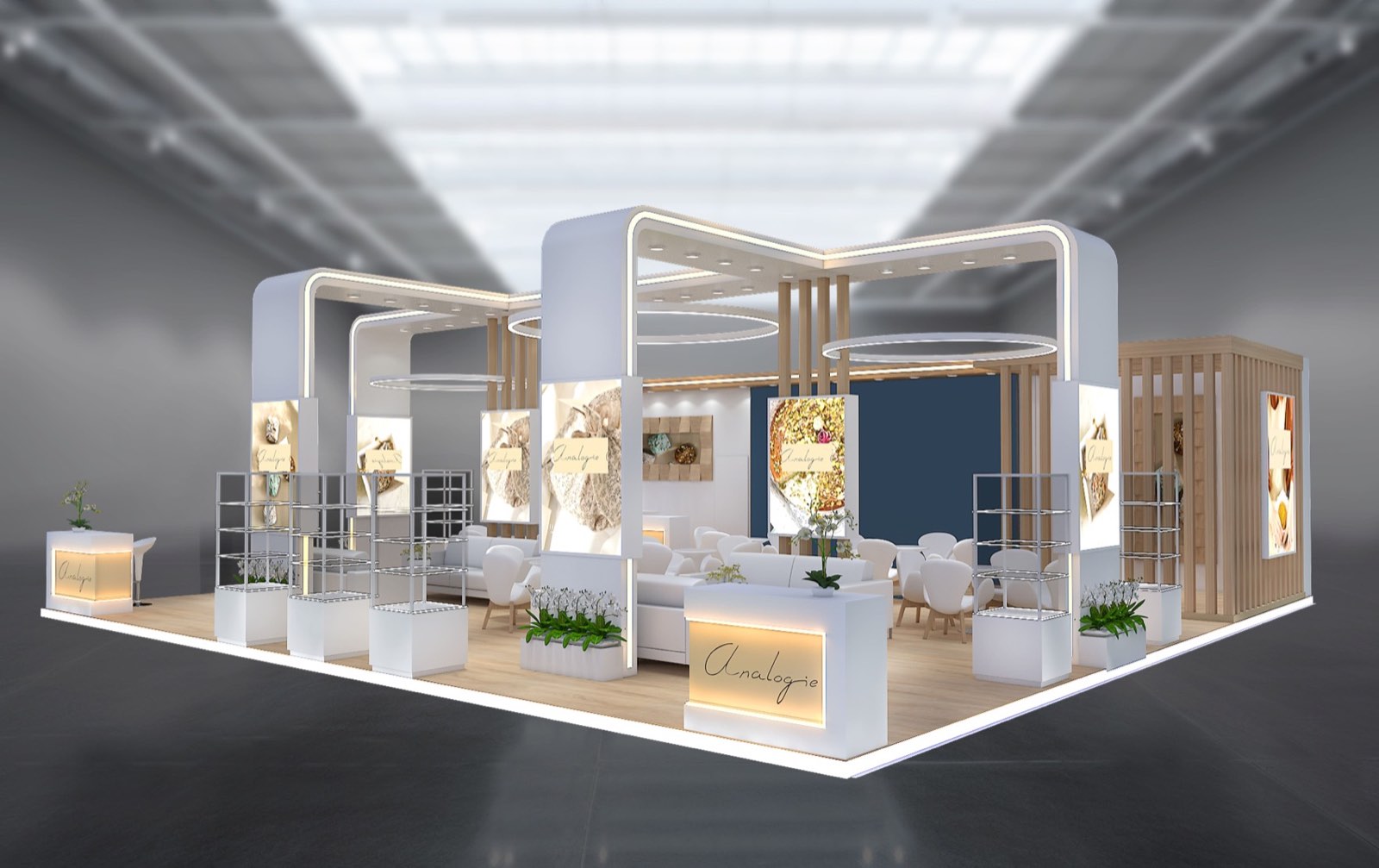
The creative teams translate the brief into detailed plans and realistic 3D models. You see your future stand from every angle before a single cut is made. Tools such as artificial intelligence now make it possible to generate photorealistic 3D renders from simple sketches or text descriptions, considerably speeding up the creative iteration phase. To explore this dimension, discover our 3D stand design offer.
Build in the workshop
Production draws on joiners, technicians and project managers. Once the visual design is approved, it is converted into technical drawings that guide the build teams on dimensions, materials, assembly methods and tolerances. The choice of materials, from FSC-certified wood to recyclable aluminium, directly influences the stand's durability and cost.
Pre-assembly, transport and installation
Before setting off for the site, the components are pre-assembled in the workshop to check the fit and correct any detail. Transport, on-site assembly and, finally, dismantling and storage complete the cycle. End-to-end support considerably reduces the logistical stress for your teams.
Your visibility deserves better than a standard booth.
Request a quoteThe trends redefining the exhibition stand in 2026
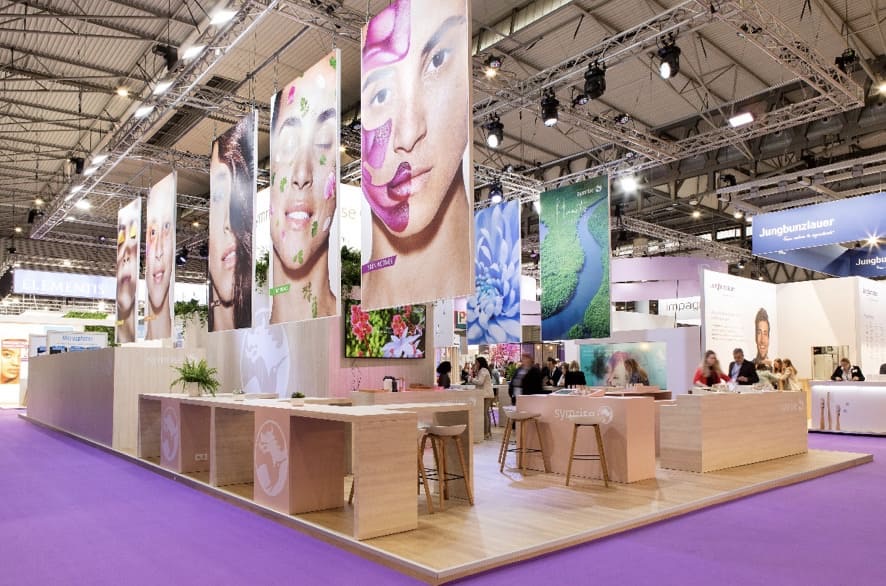
The sector is undergoing a profound transformation, driven by three major trends that directly influence the way a stand is designed and built.
Eco-responsibility as standard
European specialists in stand design and build have been pioneers of sustainable approaches that reduce costs by 14 to 23% over three years, while achieving component reuse rates of 85 to 90%, according to Global Market Insights. In 2026, we are seeing more and more stands built with recycled materials, FSC-certified wood, low-VOC paints and low-energy lighting.
The shift from foam-board and vinyl PVC graphics to tensioned fabric printing has cut stand signage waste by around 40% across the industry. This shift is no longer a marginal choice: it is becoming a requirement of show organisers and a strong signal to visitors.
Technological integration and the immersive experience
The market is increasingly driven by demand for multi-sensory engagement, incorporating bespoke soundscapes, olfactory branding and textured surfaces. In 2026, some providers offer augmented-reality tours as a standard part of every complex stand project. The aim is no longer simply to be seen, but to create an experience the visitor will remember.
Hybrid modular: bespoke and reusable
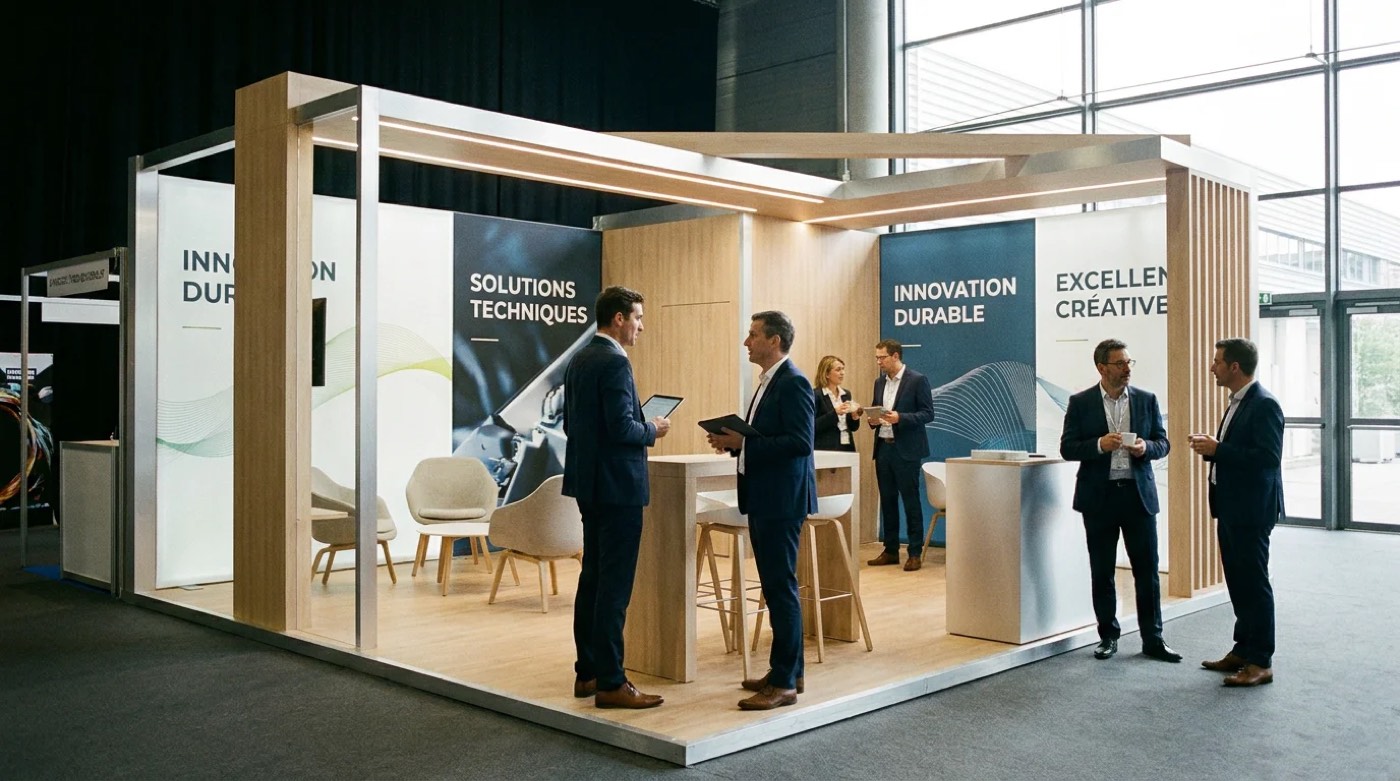
The move towards using modular, durable systems is transforming the business model, shifting from single-use stands to a reusable infrastructure that generates recurring service revenue. The hybrid stand combines the refinement of bespoke with the flexibility of modular, reducing the environmental footprint while preserving visual impact. This approach particularly appeals to companies present at several shows a year.
Materials and costs: what you need to know
High-quality aluminium is the dominant sub-segment, accounting for around 42% market share in 2026 according to Verified Market Research. This dominance is mainly down to aluminium's superior strength-to-weight ratio and its recyclability, which make it the ideal structural material for modern shows.
As for budgets, in 2026 a modular stand of 9 to 18 m² with technological integration costs around EUR 8,000 to 15,000, while a fully bespoke island stand for a flagship show exceeds EUR 50,000. The main cost driver is not the trend being followed, but the size, the technological density and the use of reusable components.
Type of stand | Indicative surface area | Budget range (2026) | Reuse |
Modular with technology | 9 to 18 m² | EUR 8,000 to 15,000 | High (multi-show) |
Bespoke hybrid | 20 to 50 m² | EUR 15,000 to 50,000 | Medium to high |
Premium bespoke (island) | 50 m² and more | EUR 50,000 and more | Variable (depending on design) |
These ranges vary according to the materials chosen, the level of finish, the integrated audiovisual elements and the installation logistics. An experienced stand builder helps you optimise the balance between investment and impact.
How to choose the right partner for your stand
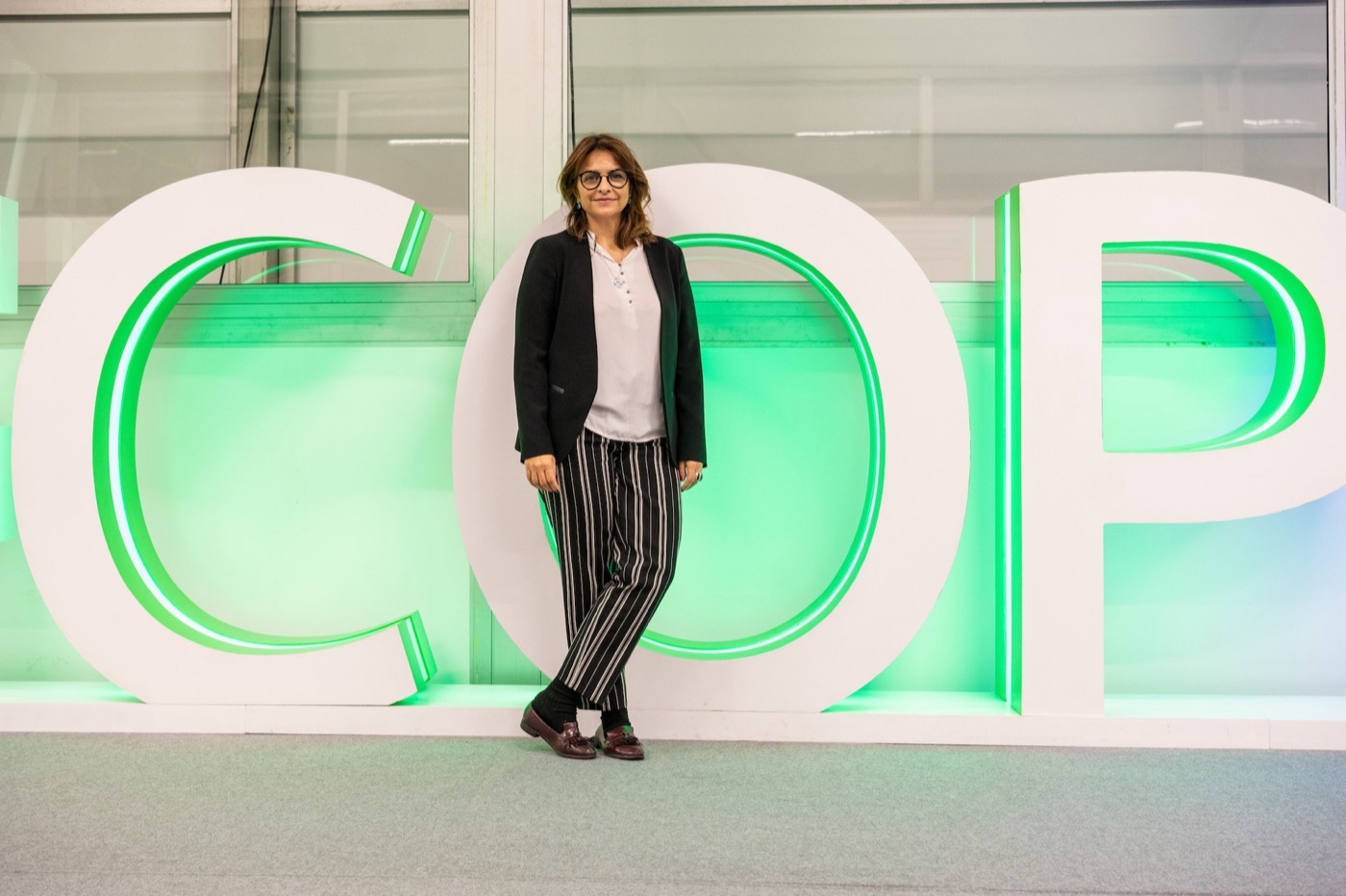
Your choice of provider shapes the success of your project. Here are the essential criteria to assess before committing.
Expertise and verifiable references: a stand builder should be able to present a diverse portfolio of recent work, covering different sectors and different types of show. Client testimonials and concrete case studies are the best indicators of reliability.
End-to-end support: from the initial brief to on-site installation, taking in 3D design, regulatory management and post-event storage, a full-service provider frees you from the operational load. With more than 20 years of experience and over 150 premium projects delivered, we offer a bespoke trade show stand that covers all these needs.
Geographical reach: whether you exhibit in Paris, Cannes, Monaco or internationally, your partner must have a suitable logistics network. The ability to operate across different continents, with local teams, guarantees quality of execution wherever the location.
Eco-responsible commitment: sustainability is now closely tied to return on investment. Reusable systems reduce rebuilding costs, minimise waste and make it easier to scale up across several events. Favour a provider that builds this dimension in from the design phase.
Maximising the return on investment of your stand
A bespoke stand represents a significant investment. To make the most of it, several levers deserve your attention.
Planned reuse is the first factor of saving. A stand designed from the outset to be adapted to different show configurations can be amortised over three to five events. Professional storage between two shows preserves the quality of the elements and avoids rebuilding costs.
The visitor experience is the second lever. To stand out in crowded halls, exhibitors are investing heavily in 'Instagrammable' installations and interactive brand moments, which generate both physical dwell time and digital reach. Every interaction on the stand should be designed to qualify a sales contact.
Finally, measuring performance is essential. Number of leads collected, post-show conversion rate, press coverage: setting clear indicators before the event makes it possible to objectively assess the profitability of your investment and refine your strategy for future editions.
Conclusion
Custom stand design and build have established themselves as an essential strategic lever for any company that wants to perform at trade shows. In a global market expected to reach USD 98.5 billion by 2035, the quality of your physical presence makes the difference between a profitable show and a wasted investment.
Eco-responsibility, technological integration and smart reuse are no longer options, but standards that every project must incorporate.
A partner able to support you from the first sketch to the final dismantling, with design expertise, controlled production and an international network, turns every event into an opportunity for measurable growth. To bring your next project to life, contact our team and discover our exhibition stand design tailored to your ambitions.
Frequently asked questions
How long should you allow for the design and build of a bespoke stand?
It is advisable to allow a minimum of three months before the assembly date: four to six weeks for the design phase and 3D iterations, then six to eight weeks for the build, logistics and on-site installation. A shorter timeframe can limit the scope for customisation. We recommend starting your brief as early as possible to enjoy maximum creative freedom.
What is the difference between a modular stand and a bespoke stand?
The modular stand relies on standardised prefabricated structures that are assembled into predefined configurations. The bespoke stand is entirely designed and built to meet your specific needs, with complete freedom over materials, volumes and the visitor journey. Our support covers both approaches, including hybrid stands that combine the advantages of both solutions.
How can you make a bespoke stand eco-responsible without sacrificing visual impact?
Several solutions exist: using FSC-certified wood, recyclable aluminium, tensioned textiles (which replace PVC graphics) and exclusive LED lighting. Designing for reuse, with demountable and storable components, considerably reduces the environmental footprint while preserving a premium result at every show.
Every project is unique. Tell us about your show, your space and your objectives: we'll come back to you with an initial concept and a detailed quote within 48 hours.